Why we need more community spaces.
You are not a fortress. You are a willing participant in this life—however hesitant you may be to admit it. What distinguishes human beings from mythic shortages of soul or self-sufficient individuals is not merely cognition or agency, but constitutive interdependence: we are shaped by others and shaped in turn by the networks we inhabit.
The longing for belonging is not a poetic trope. It is a psychological necessity. In social psychology, the “Need to Belong” theory posits that humans have an inherent drive to form stable, positive relationships and to sustain them over time; these bonds are foundational to psychological health and well-being.
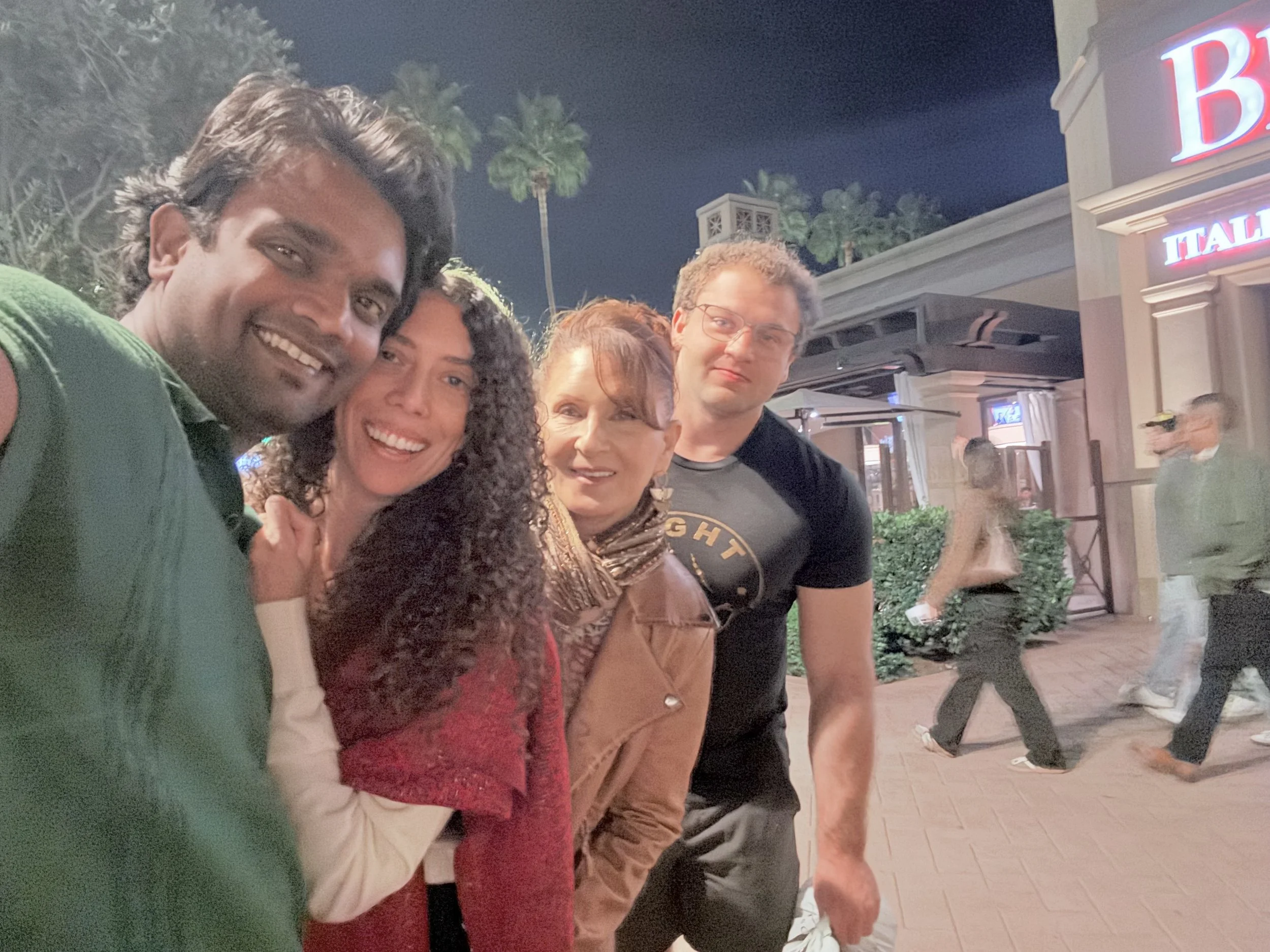
At the biological level, social connection is not merely emotionally beneficial: it is health-preserving. Connectedness is associated with reduced risk of chronic illness and premature mortality; by contrast, loneliness and isolation increase the likelihood of heart disease, stroke, diabetes, dementia, and early death. Harvard Chan School of Public Health+1 The United States Surgeon General has described social connection as a fundamental human need, analogous in importance to food, water, and shelter. Health and Human Services
Why, then, does belonging feel elusive? One answer lies in conformity. Many people pursue acceptance by aligning with prevailing norms, suppressing parts of themselves to appear familiar, agreeable, or unobjectionable. This form of belonging is transactional: it trades authenticity for ease. Over time, the psychological cost reveals itself as a sense of hollowness—an appetite not sated by approval alone.
A community that nurtures genuine belonging does not require assimilation so much as it demands engagement. Active participation—through shared meals, collaborative work, or simply showing up—is more predictive of psychological flourishing than passive membership. Research on well-being suggests that meaningful participation in community activities enhances a sense of connectedness, which in turn contributes to overall well-being. PMC
This dynamic echoes across human experience. Survey data show that doing everyday activities—commuting, errands, meal preparation—is universally reported as more satisfying when done with others rather than alone. Even mundane interactions register as emotionally richer in social contexts. The Washington Post
The search for meaning is another facet of belonging. People who feel connected to others are more likely to report a sense of purpose and meaning in life. A robust literature in positive psychology finds that social connectedness is both a source and a consequence of meaning. Scott Barry Kaufman This suggests that purpose is not a solitary inner discovery but arises through interaction, contribution, and shared context.
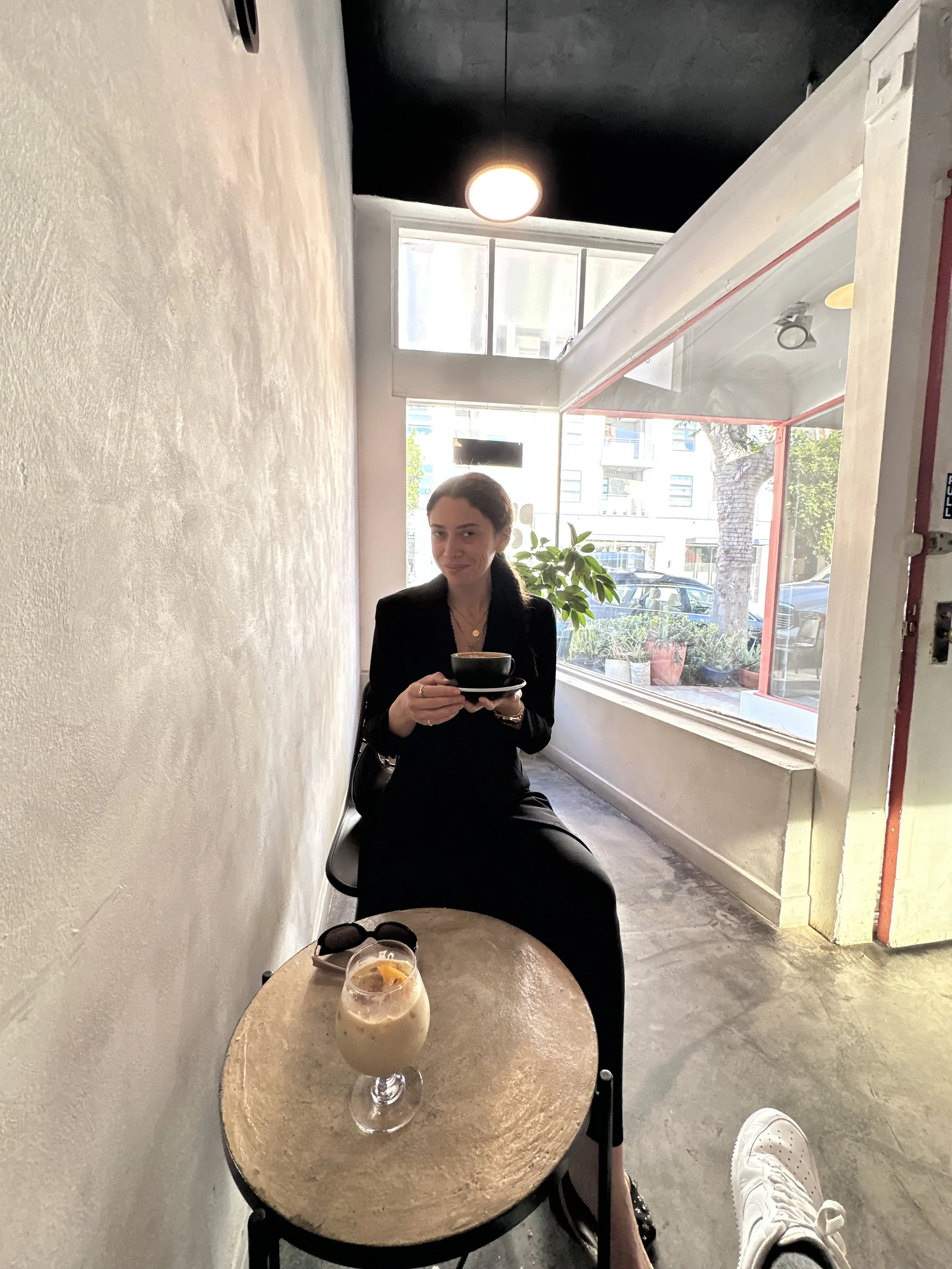
A community that nurtures genuine belonging does not require assimilation so much as it demands engagement. Active participation—through shared meals, collaborative work, or simply showing up—is more predictive of psychological flourishing than passive membership. Research on well-being suggests that meaningful participation in community activities enhances a sense of connectedness, which in turn contributes to overall well-being. PMC
This dynamic echoes across human experience. Survey data show that doing everyday activities—commuting, errands, meal preparation—is universally reported as more satisfying when done with others rather than alone. Even mundane interactions register as emotionally richer in social contexts. The Washington Post
The search for meaning is another facet of belonging. People who feel connected to others are more likely to report a sense of purpose and meaning in life. A robust literature in positive psychology finds that social connectedness is both a source and a consequence of meaning. Scott Barry Kaufman This suggests that purpose is not a solitary inner discovery but arises through interaction, contribution, and shared context.
Purpose and belonging are intertwined. Life’s purpose, in its richest sense, implicates service—to knowledge, to compassion, to craft, to others. It is not a future state of perfection but a current orientation toward participation. The person you want to be—the more generous, more engaged, more courageous version—is not a distant aspiration: that person exists within you now, waiting not for permission but for presence.
You are not your body. Your body is a medium through which you express your intentions and enter the world. Conscious engagement with the physical and social dimensions of life—gesture, touch, shared laughter, mutual work—grounds you in the community that sustains you. Research shows that active social engagement enhances resilience and supports mental health across age groups. Greater Good
If you want meaning, seek connection. If you want to be fully alive, cultivate reciprocal bonds. If you want well-being, build community. These are not platitudes; they are empirical observations about the human condition.
Belonging is not conferred by proximity alone. It arises when we show up, when we are seen for who we are, and when we see others with the same attentiveness. That is the work and the reward: a life infused with presence, purpose, and the shared labor of being human together.
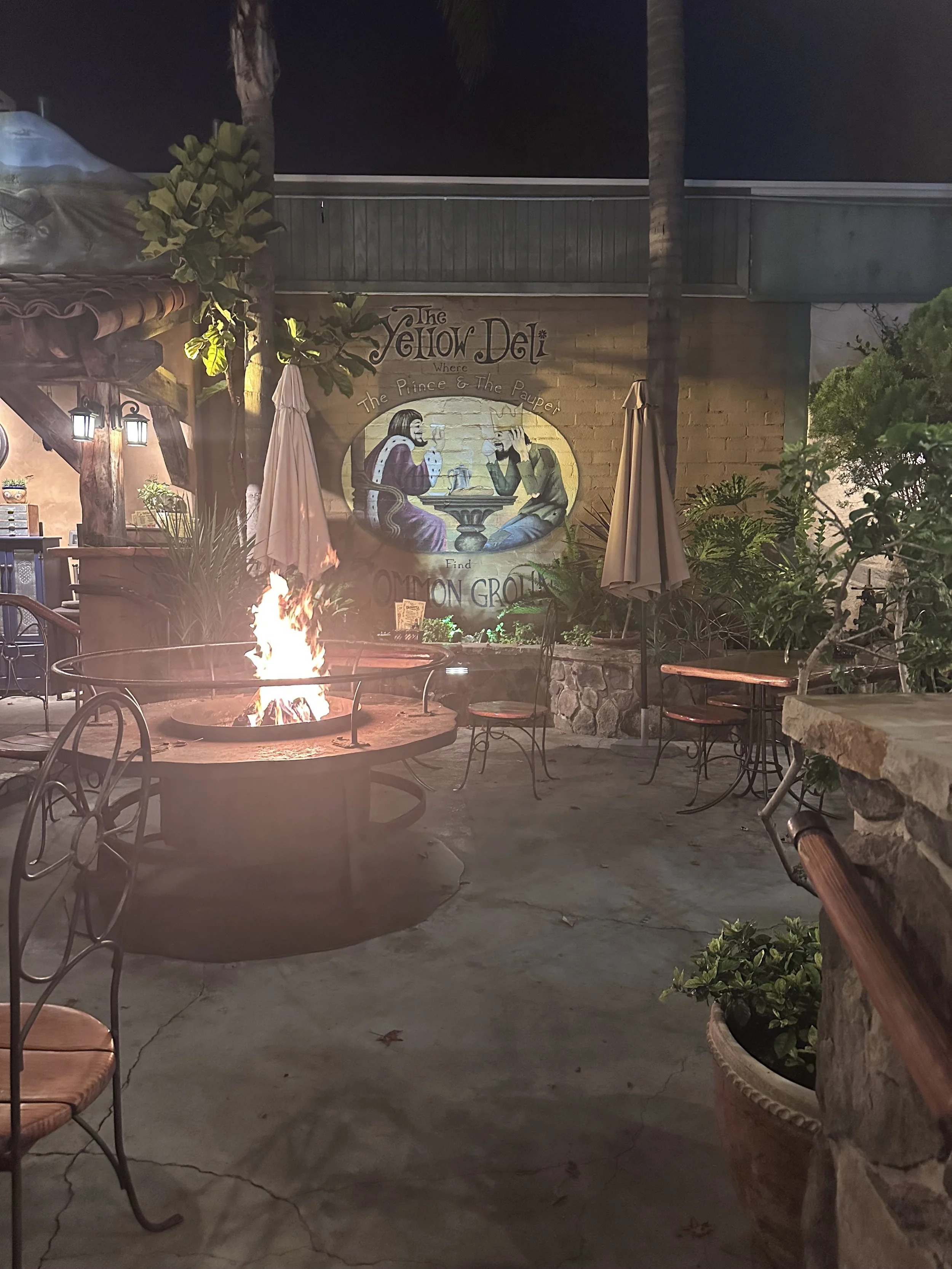
Historically, societies understood this intuitively. Town squares, village commons, temples, marketplaces, salons, and libraries were not ornamental features of civic life; they were its infrastructure. These spaces were designed to facilitate encounter—to allow people to gather without agenda, to exchange ideas, to observe one another, and to participate in something larger than private life. Modern urban planning, however, has often deprioritized such spaces in favor of efficiency, privatization, and transit over presence. Zoning laws separate living from gathering; public areas shrink while commercial ones expand. The result is not merely aesthetic but psychological and social. When communities lack accessible, welcoming places to meet, the work of connection becomes fragmented and fragile. Reinvesting in shared spaces—parks, community centers, pedestrian zones, cultural hubs—is therefore not nostalgic but necessary. It is a recognition that cities, like people, function best when they are designed for relationship, not just movement; for belonging, not just productivity.